









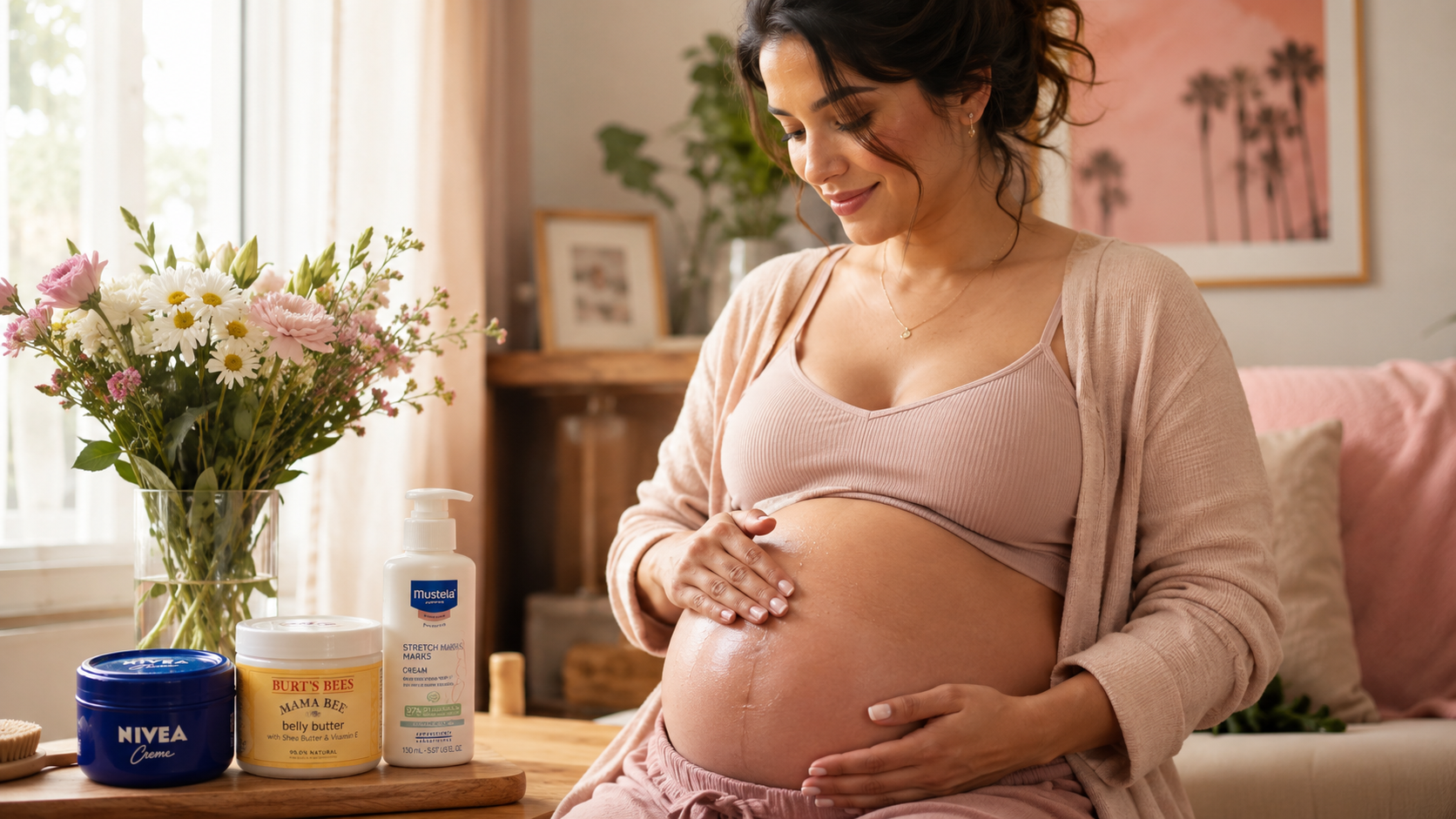
Pregnancy brings a whirlwind of changes, and suddenly every product in your bathroom cabinet feels like it needs a safety review. If you’re an expecting mom asking yourself, “I’m a pregnant woman. Are Nivea products safe compared to Burt’s Bees or Mustela?”, you’re not alone. Many women want gentle, effective skincare that hydrates dry skin, eases stretch-mark concerns, and avoids unnecessary risks.
The good news? Most basic moisturizers and body lotions from these popular brands are generally considered low-risk when used as directed. Safety comes down more to specific ingredients than brand loyalty. With hormonal shifts causing dryness, sensitivity, and melasma, choosing wisely helps you feel confident and comfortable. This guide breaks it all down with practical advice tailored for real-life pregnancy needs.
Understanding Skincare Safety During Pregnancy
Your skin absorbs some ingredients, and during pregnancy, extra caution makes sense because what you put on your skin can affect your baby. The American Academy of Dermatology and other experts recommend avoiding high-risk actives like retinoids, high-dose salicylic acid, and hydroquinone. These can pose concerns for fetal development at higher doses.
Instead, focus on simple, hydrating formulas with ingredients like glycerin, shea butter, cocoa butter, and mineral sunscreens. Fragrance-free or lightly scented options often suit sensitive, pregnancy-altered skin best. Always patch-test new products and chat with your doctor or midwife for personalized guidance, especially if you have specific skin concerns or allergies. Many moms successfully use everyday brands without issues, but reading labels empowers them to make better choices.
Hormonal changes can amplify skin sensitivity, making even familiar products feel different. Staying informed about common ingredients helps you navigate store shelves confidently while keeping routines simple and effective throughout all trimesters.
Nivea Products: Reliable Everyday Options for Expectant Moms
Nivea offers affordable, widely available creams and lotions that many pregnant women rely on for basic hydration. Their classic Creme in the blue tin and Soft variants often top lists of pregnancy-safe picks because they focus on moisture without harsh actives.
As a pregnant woman evaluating options, I find Nivea stands out for its dermatologically tested formulas, which many experts consider generally safe. Nivea itself states that its cosmetic products undergo safety evaluations suitable for pregnant and breastfeeding women, with advice to avoid applying them near the breast area right before feeding.
That said, not every Nivea item is identical. Some body lotions with fragrance or certain preservatives like phenoxyethanol may warrant a second look if you’re being extra cautious. Stick to unscented or sensitive-skin lines for fewer potential irritants. Many moms report great results with Nivea for dry belly skin and overall moisture, without complications.
Burt’s Bees: Natural Appeal with Some Caveats
Burt’s Bees built its reputation on natural-inspired ingredients, making it a go-to for moms seeking fewer synthetics. Their Mama Bee line, including Belly Butter and body oils, provides targeted support for stretching skin with cocoa butter, shea, and jojoba.
I’m pregnant, so I have questions about comparisons. Burt’s Bees offers solid choices like fragrance-free lip balms and simple lotions. However, not every product is automatically safer just because it’s “natural.” Some contain essential oils or botanicals that sensitive skin might not tolerate well during pregnancy.
Many pregnancy-safe lists include Burt’s Bees basics, praising their focus on hydration over aggressive treatments. The brand shines for lip care and gentle body products, but always scan the full ingredient list, as heavier fragrances or certain plant extracts can sometimes cause irritation.
Mustela: Pregnancy-Specialized Care from a Trusted Brand
Mustela stands apart with its dedicated maternity line designed specifically for expecting and new moms. Their stretch mark creams, body lotions, and cleansing products often contain high percentages of natural-origin ingredients, such as avocado peptides, and are frequently EWG Verified.
If you’re a pregnant woman, comparing safety, Mustela frequently earns praise for being formulated with pregnancy in mind. Products like their Stretch Marks Cream and Soothing Moisturizers undergo clinical testing for sensitive skin and are considered safe from early pregnancy onward.
The brand emphasizes gentle, barrier-supporting formulas that help with common issues like dryness and itching. Many dermatologists and moms appreciate Mustela’s focus on baby and maternity safety, making it feel like a reassuring choice when skin needs extra TLC.
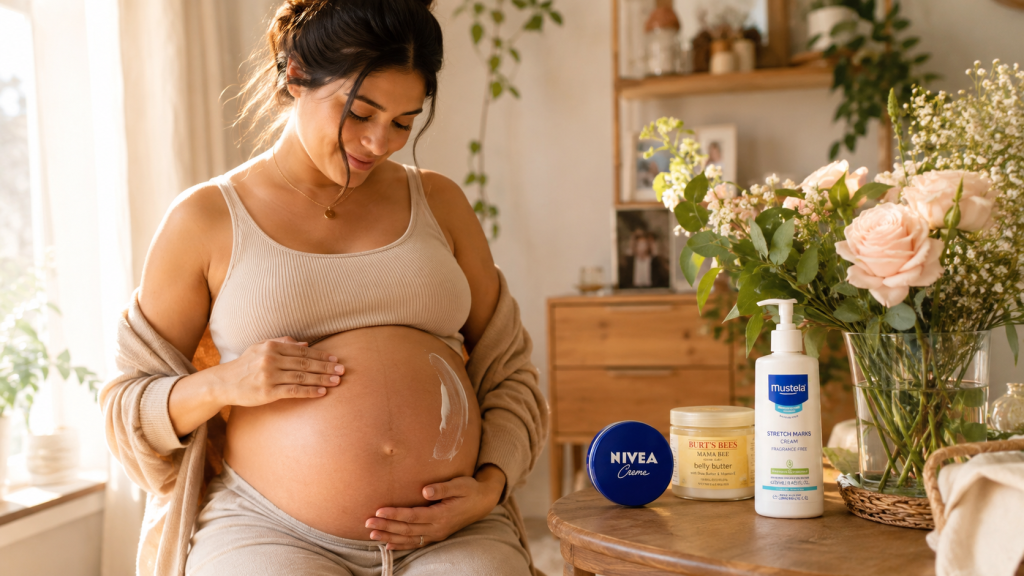
Head-to-Head Comparison: Nivea, Burt’s Bees, and Mustela
Each brand has strengths that align with your priorities—budget, natural focus, or pregnancy-specific design. Here’s a helpful overview:
| Price Point | Most affordable | Mid-range | Premium |
| Pregnancy Specialization | General safe basics | Mama Bee line for targeted use | Strong maternity-focused line |
| Key Strengths | Everyday hydration, wide availability | Natural ingredients, lip care | Stretch mark & sensitive skin support |
| Considerations | Check fragranced versions | Watch essential oils | Higher cost but clean formulas |
| Best For | Budget-conscious daily moisture | Gentle, plant-based routines | Dedicated pregnancy skincare |
No single brand wins universally—safety hinges on the individual product. A basic Nivea moisturizer might suit simple needs perfectly, while Mustela could be ideal for preventing stretch marks. Burt’s Bees bridges the gap nicely for many.
Quote: “Pregnancy skincare safety depends on ingredients, not brand names.” This rings true across expert discussions and helps cut through marketing noise.
Key Ingredients to Watch and Embrace
Steer clear of retinoids (including retinol), hydroquinone, high-concentration salicylic acid, and certain chemical sunscreens if concerned. These appear more often in treatment-oriented products rather than basic moisturizers from these brands.
Embrace glycerin, ceramides, shea butter, cocoa butter, and mineral-based zinc oxide sunscreens. These provide effective hydration and protection without crossing into risky territory. Fragrance-free options minimize the risk of irritation, especially as pregnancy heightens scent sensitivity.
Reading labels becomes second nature. Apps and databases can help quickly check specific products, giving peace of mind when shopping.
Practical Tips for Building Your Pregnancy Skincare Routine
Start simple: gentle cleanser, moisturizer, and sunscreen form a solid foundation. For stretch marks, consistent massage with belly butters from any of these brands can improve skin elasticity and reduce itching. Apply after showers when skin is slightly damp for better absorption.
Layering works well—use a lightweight lotion under a richer butter if needed. Stay hydrated from the inside too, as internal moisture supports skin health. Consult your healthcare provider before introducing new activities, even “natural” ones.
Many women rotate products across trimesters as needs evolve from early dryness to later stretching and postpartum recovery.
Real Mom Experiences and Expert Insights
Countless forums and reviews show pregnant women happily using Nivea classics alongside Burt’s Bees balms and Mustela creams. One common theme: individual skin response varies, so what works wonderfully for one mom might need tweaking for another.
Experts emphasize that basic hydration products from reputable brands pose minimal risk for most users. The focus remains on avoiding known high-concentration concerns rather than fearing entire lines.
Quote: “Many Nivea cleansers and creams are low risk, while retinol-heavy lotions should be avoided.” This balanced view helps moms make informed swaps without overhauling everything.
Conclusion
Navigating skincare as an expecting mom doesn’t have to feel overwhelming. Whether you lean toward Nivea for everyday affordability, Burt’s Bees for natural vibes, or Mustela for specialized maternity support, all three offer safe options when you choose thoughtfully. I’m a pregnant woman. Questions like this highlight how personal the journey is—prioritize ingredient lists, listen to your skin, and consult professionals. With the right picks, you can confidently nourish your changing body, embrace the glow (or manage the spots), and focus on the excitement of meeting your little one. Healthy, happy skin makes the whole experience more enjoyable.
FAQ
I’m a pregnant woman. Are Nivea products safe compared to Burt’s Bees or Mustela?
Most basic Nivea products are considered safe for pregnancy, similar to options from Burt’s Bees and Mustela. All three brands offer low-risk moisturizers, but Mustela often provides more pregnancy-targeted formulas while Nivea excels in affordable basics. Always check ingredients and consult your doctor.
What specific Nivea items should I avoid or prefer during pregnancy?
Prefer the classic Nivea Creme, Soft lotions, and gentle cleansers. Avoid any with retinol or strong fragrances if concerned. Many moms use them successfully for dry skin and belly care throughout pregnancy.
Is Burt’s Bees Belly Butter a good choice for stretch marks?
Yes, it’s popular for its natural butters that hydrate and soothe stretched skin. It’s fragrance-free in many formulations and pairs well with routines that include Nivea or Mustela products.
How does Mustela compare for overall pregnancy safety?
Mustela shines with its maternity line, which uses high levels of natural-origin ingredients and rigorous testing. It’s often recommended for sensitive skin and stretch mark prevention, making it a strong contender alongside Nivea and Burt’s Bees.
Can I use these brands for my face and body interchangeably?
Yes, but choose face-specific, gentle formulas for facial skin, as it can be more sensitive. Body lotions from any brand work great for larger areas like the belly, legs, and arms.
What general rule helps when comparing skincare brands in pregnancy?
Focus on simple, hydrating ingredients and avoid known high-risk actives. Brand matters less than the specific formula—reading labels and opting for fragrance-free versions supports safer choices.